I am an expert at combining the pleasures and passion of food and travel. In fact, it’s my job. From prosciutto and pasta in Italy to tapas and tortillas in Spain, I’ve eaten my way through many hill towns and villages. While life on the culinary road is never boring, it was time to try something new. I needed an inspiration. Asia beckoned. But not Thailand or China. No, those culinary byways have already been explored. It was Vietnam that called to me. So I gathered a group of like-minded adventurers and we hit the gastronomic road and took off for what is soon to be one of the hot travel destinations for food lovers.
First stop, Hanoi. Teaming with cars, rickshaws, and people there is no doubt you have stepped into another culture. The sounds are different; the feel is different, and oh yes, the smells are nothing like what we Westerners are used to. On every corner, there is a street kitchen; each specializing in a different dish. Locals rest on their haunches, holding a bowl of steaming soup or noodles to their mouths. Men share green tea at low tables, sitting on what look to be children’s stools. It’s all I can do not to stop and try the local dishes, but we have diligently read our travel books and know that it would be dangerous to sample food from these roadside cafes.
As I always do in a new city or country, I head to the market to get a feel for the local cuisine and culture. One stand specializes in making rice paper, another in fruits and vegetables. I see exotic produce that I’ve never encountered before…dragon fruit with its bright red spires; Rambutan, which looks like a hairy lichee. Then there are the bowls of squirming eels and exotic fish. Chicken is nowhere to be found as the country had to slaughter most of its poultry due to the outbreak of bird flu.
We had our first taste of Vietnamese cuisine that night at one of Hanoi’s best restaurants. Located on the second story of a former French villa, the Emperor is like walking into another world with its temple style dining room. We were served one delicious course after another; in fact, it was a little difficult getting used to the rapidity with which the waiters delivered the meal. The staff must have thought we were crazy when one member of our group asked them to “slow down!” But we were soon to learn that bringing several courses to the table at once is the Vietnamese way. It was the perfect introduction to Vietnamese cuisine—wonton soup, fresh spring rolls, grilled tiger prawn, grilled beef in Betel leaves, steamed grouper in sauce and fried Water Morning Glory with garlic. Dinner ended as most do, with fresh tropical fruits.
I just couldn’t wait to try my hand at Vietnamese cuisine and I had my chance the next day at the Sofitel Metropole’s renowned cooking school. We were met outside the hotel by the sous chef, who handed us traditional conical hats to wear. After boarding individual rickshaws we headed for the main market to shop for our ingredients. Then it was back to the kitchen to prepare a Vietnamese feast: grilled chicken skewers with lemon leaves, banana flower salad, Hanoi deep-fried spring rolls, sautéed pumpkin branches with garlic, steamed ca qua fish with beer and herbs, and marinated pork grilled in bamboo! The lesson was mostly demonstration but we all had a chance to practice rolling the spring rolls. I was surprised at how easy and delicious the recipes were. A generous tasting followed the lesson. As we were led out of the kitchen, we noticed the blackboard where the menu for a state dinner for the King of Cambodia was posted. We were surprised to learn that lunch at the restaurant was also included (we thought the tasting was the lunch and definitely had filled us up!)
From Hanoi, we traveled north to Halong Bay which is famous for its thousands of monolithic limestone islands. The best way to tour the bay is by junk; these traditional boats with colorful sails dot the water and take passengers among the islands on an incredible two day journey. One of the highlights of the trip was pulling up to a floating village where we visited a family who lives on the water and makes their living by fishing its waters. Meals on the junk featured the freshest seafood you’ve ever tasted. My favorite was crab, simply steamed, served with a paste made of garlic, salt and lime. I couldn’t eat enough of it!
After Halong we flew to Hoi An, a charming riverside town known for the 18th century pagodas, houses and assembly halls built by Chinese immigrants. What I will always remember about the Hoi An is the smell of incense. All along the streets shop owners burn incense and place offerings of food outside their homes and businesses. The town is magical at night, with folk music and lanterns paving the way down its pedestrian-only streets.
The culinary highlight of Hoi An was our visit to Tra Que. This tiny little village is known for its fresh vegetables, which are found in markets all over the country. A guide took us into the fields where we met a local farmer, Tuan, who explained ancient ways of farming vegetables (without pesticides). We were then guests at his house for lunch which featured cold Vietnamese beer (fantastic) and a dish which is only served in Tra Que for special guests called Tam Huu. It’s a type of spring roll with fresh mint, tiny shrimp, and local vegetables. Tuan and his family were delightful; especially the grandmother who giggled and stared at us, telling her son that Westerners looked so different. In addition to farming the family sells handcrafted pillows which are stuffed with an herb to help you sleep. We bought several to bring home to family and friends.
Of course we had to visit the Hoi An market and by this part of the trip I knew what I needed: nuoc mam (fish sauce and the key ingredient in Vietnamese cuisine), spring roll seasoning, and maybe one of those special knives they use to carve up the banana flowers for banana flower salad. I decided the knife wouldn’t pass security but stocked up on fish sauce. We went from the market to a charming restaurant on the banks of the Thu Bon river where we had a private hands-on cooking lesson featuring an array of traditional dishes. I began to be most impressed by the delicate flavors of Vietnamese cuisine, its contrasting textures and the use of fresh vegetables. It really is the healthiest Asian cuisine.
Our journey ended in Saigon where we enjoyed a half day cooking lesson at the Vietnam Cookery Center. Located in a Saigon residential area, the school’s interior features a traditional Vietnamese kitchen along with individual cooking stations for students. A lively lecture about Vietnamese food and tradition preceded our session, in which we learned to cook spring rolls, sour soup with snake fish, steamed rice in coconut juice, and dipping sauce. Each student ate what they cooked; cold Vietnamese beer was available at an extra cost.
We left Saigon at night, boarding our flight to Narita around midnight. I had packed my market goodies in my carry-on as I always do— this time instead of olive oil and Chianti I was bringing home nuoc mam, spring roll seasoning, incense, & chili sauce. But when we went through the x-ray machine there was a problem. Three security officers wanted to search my bag. What could they possibly be looking for? As they conferred and searched they seemed to have found the culprit…the bottle of fish sauce. They were saying something to me I didn’t understand. They took my fish sauce! Finally someone who spoke English explained that they were checking to make sure it was sealed and wrapped before I was allowed to bring it onboard. It seems there have been more than a few visitors to Vietnam who tried to bring back fish sauce in unsealed bottles and the resulting spill and odor was so pungent it made people sick on the airplane. Convinced that my bottle was properly bagged and sealed, I was allowed to bring the treasure with me. It now occupies an important place in my kitchen cabinet and is essential to the Vietnamese recipes I love to share with friends.
Tagged with
food, travel,
cooking
Monday, September 25, 2006


Friday, June 16, 2006
Panzanella Recipe
With summer finally here, I thought I'd share a recipe that comes to us from our Walking & Cooking vacation in Italy. While there are many versions of this recipe, Epiculinary's version is the original!
Panzanella Salad (Salad with bread, tomatoes and onions)
Region : Tuscany, Umbria (a summer dish)
Preparation : Easy
Ingredients for 6-8 persons
This simple, delicious salad that can also be served as an antipasto. One or two-day old bread coarse white country bread (unsalted)works best, to which very fresh vegetable are added along with excellent olive oil and good vinegar. Select only the best quality ingredients. This is the basic version but there are many local versions of Panzanella (depending on the vegetables to your disposal) The recipe is better if prepared ahead of time and refrigerated for several hours. Remove from refrigerator about half an hour before serving at room temperature.
What you need :
1 lb Italian unsalted country style bread, 2 days old, in slices
2/3 cup best quality extra virgin olive oil
3 T good quality red wine vinegar (to taste)
1 T balsamic vinegar
1 1/2 lb fresh, firm, ripe tomatoes, cubed, about 5 cups
1 small onion, thinly sliced
15 fresh basil leaves, washed, drained on paper towels and shredded, a few extra for garnish
salt and freshly ground black pepper
Soak the bread in cold water to cover for about twenty minutes
Meanwhile, prepare the dressing of oil, the 2 vinegars, salt and pepper, whip with a fork to combine thoroughly. Remove, squeezing out as much moisture as you can (help your-self with a clean white cotton dish-clove). Coarsely crumble the bread into a large serving bowl. Add the tomatoes, the onion and the basil. Add a little dressing at a time till all ingredients are well coated. Test for seasoning. Garnish with a few whole basil leaves. Buon appetito!
Tagged with:
Italian Recipes,Travel,recipes
For more information about Epiculinary's Walking & Cooking Tour:
www.epiculinary.com/ita_walking.html
Panzanella Salad (Salad with bread, tomatoes and onions)
Region : Tuscany, Umbria (a summer dish)
Preparation : Easy
Ingredients for 6-8 persons
This simple, delicious salad that can also be served as an antipasto. One or two-day old bread coarse white country bread (unsalted)works best, to which very fresh vegetable are added along with excellent olive oil and good vinegar. Select only the best quality ingredients. This is the basic version but there are many local versions of Panzanella (depending on the vegetables to your disposal) The recipe is better if prepared ahead of time and refrigerated for several hours. Remove from refrigerator about half an hour before serving at room temperature.
What you need :
1 lb Italian unsalted country style bread, 2 days old, in slices
2/3 cup best quality extra virgin olive oil
3 T good quality red wine vinegar (to taste)
1 T balsamic vinegar
1 1/2 lb fresh, firm, ripe tomatoes, cubed, about 5 cups
1 small onion, thinly sliced
15 fresh basil leaves, washed, drained on paper towels and shredded, a few extra for garnish
salt and freshly ground black pepper
Soak the bread in cold water to cover for about twenty minutes
Meanwhile, prepare the dressing of oil, the 2 vinegars, salt and pepper, whip with a fork to combine thoroughly. Remove, squeezing out as much moisture as you can (help your-self with a clean white cotton dish-clove). Coarsely crumble the bread into a large serving bowl. Add the tomatoes, the onion and the basil. Add a little dressing at a time till all ingredients are well coated. Test for seasoning. Garnish with a few whole basil leaves. Buon appetito!
Tagged with:
Italian Recipes,Travel,recipes
For more information about Epiculinary's Walking & Cooking Tour:
www.epiculinary.com/ita_walking.html
Monday, January 23, 2006
Taste of Vietnam: Spring Roll Recipe

TASTE OF VIETNAM
This year Epiculinary introduces an incredible culinary adventure to exotic Vietnam. Participants will learn to prepare authentic Vietnamese dishes with world renowned chefs as they explore this unique country with a diverse culinary heritage.
Spring Rolls are prepared just about everywhere these days, but we really liked this authentic recipe from our cooking school in Vietnam:
Spring Rolls
1.5 oz. minced pork
1 oz. crab meat
1.5 oz. minced prawns
½ oz. dried ear mushrooms
1 – 1.5 oz. taro (or can be substituted with sweet potato)
A small of amount of chicken stock
1 tsp. sugar
1 tsp. ground pepper
1 tsp. chopped spring onions
1 tsp. egg yolk
1 tsp. chopped shallots
6-8 pieces of rice paper
1 cup of coconut juice or beer
Cooking oil for deep-frying
For the stuffing: in a bowl, place the pork, crab, prawn, taro and ear mushrooms. Then add the shallots, spring onions, sugar, chicken stock, pepper and egg yolk. Mash them together until the consistency is that of a smooth paste.
Spread a little coconut juice evenly on the surface of the rice paper (but not too much). Fold the edge of the rice paper about 2 inches in towards the center. Then place 1 teaspoon of the stuffing on the space folded. Start folding the left and right side of the rice paper into the center. Then roll up tightly from the bottom edge away to the far end.
Deep-fry the spring rolls in a pan over a low heat until lightly browned. Serve with lettuce leaves, fragrant leaves, herbs, rice noodles and fish sauce for dipping.
For more recipes from Epiculinary travels:
http://www.epiculinary.com/recipes.html
Tagged with
food, travel, recipe, cooking
Thursday, September 08, 2005
Unwrapping the Bounty of Sonoma
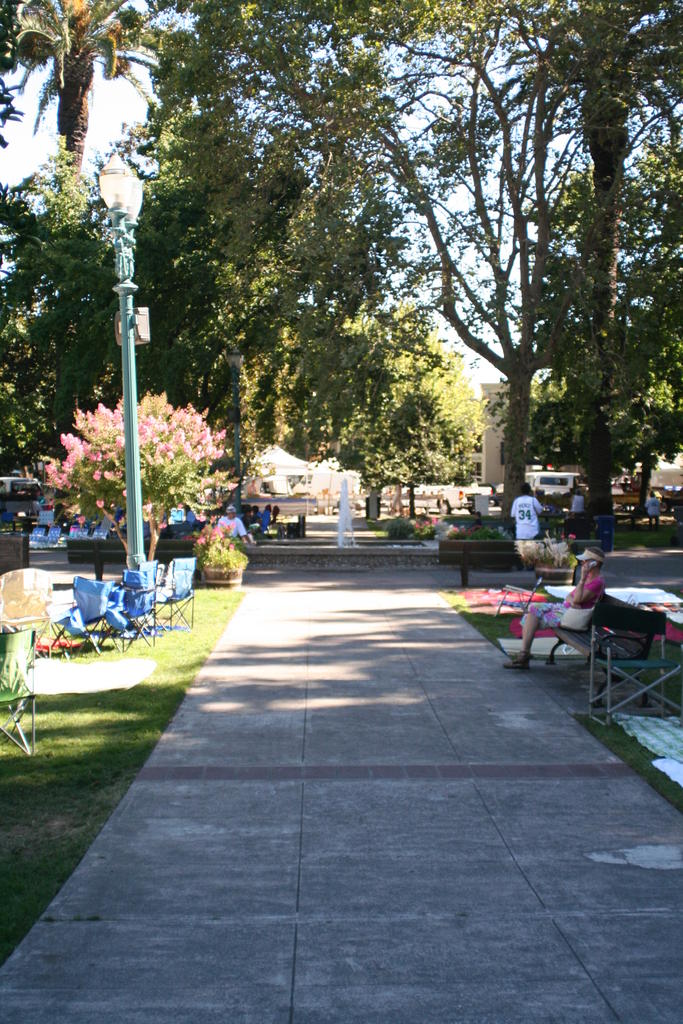
While the locals think the town has not escaped tourism, I was delighted to visit Healdsburg, California and feel like I was not part of the hustle and bustle of nearby Napa. We went to experience first-hand Epiculinary's Bounty of Sonoma, a four day culinary vacation that takes participants out of the kitchen and into the fields, wineries, and markets for a different kind of cooking experience. Making the trip even more memorable was the fact that the Food Network's popular Unwrapped came along to film an upcoming special on culinary vacations.
Healdsburg is an interesting wine town located in Northern Sonoma. Some of Northern California's most famous wine appellations are here including Alexander Valley, Chalk Hill, Dry Creek Valley, and Russian River Valley. Visiting the town plaza on Tuesday night, which is locals night (they have a weekly band and farmer's market on this day, when most of the tourists have returned to San Francisco or parts beyond), I noticed an
interesting mix of wealthy winemakers, Mexican immigrant workers, and fading hippies.
Since the town was packed, we walked from restaurant to restaurant trying to find a place to eat. We finally got a table at Restaurant Charcuterie just off the plaza. Known for their pig collection, the restaurant features down home French influenced cuisine. My partner loved his dish with polenta and local goat cheese. My blackened chicken caeser salad was okay.
We couldn't wait to return to our plump four poster bed at 410 Matheson, an elegant and sophisticated inn just a five minute walk from the plaza. The owners, Larry and Dee, have transformed this former convalescent home into one of the chicest inns in town. The rooms feature Bose cd players, huge televisions, four poster beds and incredible bathrooms.
Next day, the big Unwrapped shoot! We started by visiting Tierra Vegetables, an unusual farm run by a brother and sister team and specializing in sustainable crops. They grow over 20 varieties of chiles and sweet peppers, but our focus that day were the strawberries. Our culinary group picked and ate our quota!
Berries in hand, we travelled via van to our next location, Shyster Creek Vineyard. Ross Stromberg bought the 120 acre property in 1998 and has transformed it into a Tuscan landscape. This is where we had our first cooking lesson with Kevin McKenzie, executive chef of Dry Creek Vineyard. Kevin McKenzie launched his career at the beginning of the California Cuisine movement, working alongside such notables as Jeremiah Tower and Jonathan Waxman. He spent several years in Los Angeles as a caterer and private chef for the entertainment elite, orchestrating such events as the Academy Awards Governors Ball three years in a row.
Forming teams, we tackled Kevin's wine country menu with gusto. The menu took advantage of locally grown products and the best of Sonoma wine country: Grilled Sourdough Bruschetta with Heirloom Tomato Jam and Goat Cheese or Tuscan White Beans and Caponata; Summer Green Salad with Terra Sonoma VerJus and Da Vero Olive Oil; Cedar Plank Ggrilled Sonoma Coast Halibut with Heirloom Tomato Vinaigrette and Chardonnay Infusion; toasted Sardinian Couscous with Garden Vegetables; and Bellwether Farms Ricotta and Laura Chenel Goat Cheese Tart with Heirloom Strawberries.
Kevin's enthusiasm and yes, patience, with his cadre of amateur cooks made the morning pass quickly. As we cooked, the crew from Unwrapped filmed, making it a truly festive event. I teamed up with a surgeon from the DC area to make the cedar plank salmon. It was the perfect dish for my cook-mate; she excelled in cutting mathmatically correct dices of the heirloom tomatoes. I seemed to be less skilled; my cutting technique learned from watching my mother chop and dice as she whipped up Southern favorites. This really seemed to make Kevin nervous; I've seen that look of fear on other chefs faces as I have travelled around the world and picked up a knife in the kitchen. Don't get me wrong; I'm a great cook. But my knife skills are serviceable at most.
 During the lesson I was pulled aside for my interview with Unwrapped. The entire crew made it easy for me; thanks to them for doing the interview early so I could enjoy the wine that Ross paired with the luncheon! Then it was a la tavola to taste our efforts. The salmon was incredible, if I do say so myself. I'd read a lot about cooking on planks but had never done it at home. The method infused the fresh fish with a woodsy smoke flavor but left the meat uncharred. (Hint: do not use any old piece of wood sitting in your garage for this!) The tart was a fitting end to the lunch; the strawberries so good we ate them from a bowl after the dessert was cleared.
I was still full that night, but with only two nights in Healdsburg, we had to try Willie's Seafood, a hip tapas bar that features fresh seafood tinged with a Latin flavor. First on my list to sample was the Tuna Tartare. It lived up to its reputation; the combination of jalapenos, cashews, ginger and coconut milk provided the right mix of hot, sweet and crunchy. We also noched on a wine country cheese plate and some really good fried calamari washed down with a Russian River Chardonnay.
The next day we were off to another cooking lesson, this one in the Roshambo Winery. I guess I'm a little behind the times because I did not know that "roshambo" is California slang for "rocks, paper, scissors." The winery uses that theme cleverly in their marketing materials. The first thing we did when we walked in the winery was to check out their tee shirts and hats. With pulsing rock music behind us and surrounded by contemporary art, we tasted Roshambo's wines and were very pleased with the Zin and the unoaked Chardonnay.
After a tour of the vineyards we returned to the kitchen for a cooking lesson with Chef Nitsa Knoll, who worked at the Ritz Carlton as lead cook and trainer in both the restaurant and Garde Mange kitchen. She has instructed at the California Culinary Academy, set high tea for British Royalty, and, most recently, established a catering business called Sonoma Culinaire specializing in intimate gourmet occasions. Our menu again, took advantage of Sonoma's bounty and featured the following: Smoked duck with Mango Relish on Crispy Won ton; Mixed green salad with Roasted Peaches, Goat Cheese and Balsamic Vinaigrette; Brined Roasted Pork Loan with Roasted Summer Vegetables; Crepes with Chardonnay-Poached Figs. Besides learning some fantastic recipes, Nitsa gave us some great time-saving tips that we'll all use at home. Making the crepes was the most fun; we all became experts in a matter of minutes and had a lot of fun doing it. Lunch was served on Roshambo's terrace overlooking the vineyards, and accompanied by Roshambo wines.
I've been to a lot of cooking schools in a lot of places as I scout for new Epiculinary vacations. But I have to say that I was really impressed with the effort our partners at Relish put into this trip. The logistics of a "moving classroom" are very difficult but there wasn't a glitch. It added another dimension to the experience to be out of the classroom and among the growers and winemakers who create the ingredients that go into Wine Country Cooking.
Tagged with
food, travel, cooking
Tuesday, August 09, 2005
How to Choose a Culinary Vacation

Okay, let's start with the obvious...you've dreamed of learning to cook pasta in Italy or making the perfect mole in Mexico. You are on the Internet and you are inundated with all the choices out there. How do you choose a cooking vacation from the myriad of choices out there?
First and foremost there's the question of budget. What are you willing or able to pay? Cooking vacations range from a few hundred to several thousands of dollars. Have an idea of what you want to spend.
That said, price is driven by accommodations and inclusions. Do you want to stay at a five star hotel, or are you the type that wants a simple farmhouse with few amenities. Be careful here. Staying in a converted goat barn might sound romantic, but when it comes down to it do you mind waking up to the sound of roosters or having a couple of towels to use for the whole week. Do you HAVE to have Internet access (be honest) or are you willing to give up e-mail in exchange for a little village with one bar that serves as its post office, town hall, and the only place to grab a quick cappuccino?
Next question and this is a biggy...what type of cooking lessons are you hoping for? Do you want to experience the thrill of cooking side by side with a Michelin star chef? Or are you looking for a grandma with generations of familiy recipes she wants to share? Do you want to have your lessons in a restaurant kitchen (which can be very small in a lot of our locations) or in a private home.
Finally, are you willing to drive or do you want transportation included. Private cars and drivers (or even larger vehicles for groups) can really drive up the price of a tour. For some, it's worth not having to worry about navigating foreign roads and that nasty trip back to the hotel after too much Bordeaux. Others like the idea of venturing out on their own during free time.
Other inclusions that can drive the cost of a culinary vacation are guided tours, wine tastings, visits to markets, and meals.
While the cost of a culinary tour is traditionally higher than many guided tours keep in mind that if you paid for all those items on an a la carte basis you'd be payiing a whole lot more. There are also the intangibles of being able to have dinner in stone mas in Provence with a local family, to taste the first pressed olive oil (and maybe help pick the olives), or to taste a home brewed batch of pulque. These are experiences that you cannot put a price on and often they are the stuff that creates the incredible memories our clients come home with.
Next up...I'll share some of my own experiences on the culinary road. Tell me about yours!
Thursday, July 28, 2005
Epiculinary joins the world of blogging!
Yes, I am launching my very first blog. As the owner of Epiculinary I have the unique privilege of designing incredible cooking and wine vacations for passionate cooks around the world. I am excited about sharing my experiences and advice on the world wide web.
Stay tuned for weekly postings on culinary travels and tips for the food and wine adventurer.
Subscribe to:
Posts (Atom)